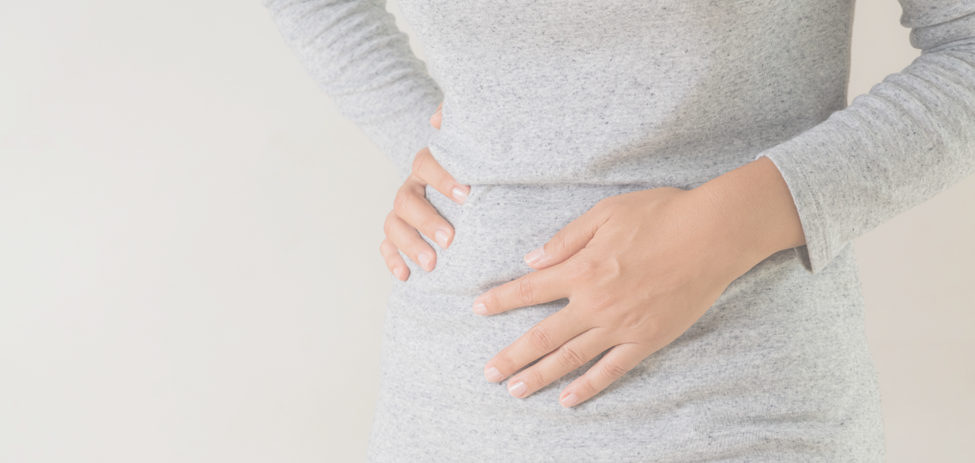
Eight Ways to Enhance Circulation & Relaxation for Reproductive Wellness

A Gentle Alternative to Abdominal Massage
Before we get started, please note that these alternative approaches to abdominal massage may not be appropriate for everyone. Before trying any of these self-care approaches, check in with your licensed healthcare provider to confirm it’s safe and appropriate for you.
A woman can enhance circulation & relaxation naturally with abdominal massage, a soothing practice that encourages blood flow, delivers oxygen to reproductive organs, and supports fertility. This gentle technique helps soften tension, promote lymphatic drainage, and balance hormones, offering a nurturing way to support healing and overall wellness. Many women find it to be a deeply restorative act of self-care and connection with their bodies. However, what do you do if abdominal massage is contraindicated for you?
If a licensed healthcare provider has advised against abdominal massage due to a medical condition, or some other reason, do not fret, there are still other ways to support circulation and reproductive health gently and effectively that might also get a thumbs up by your healthcare provider. Alternatives like castor oil packs, reflexology, acupuncture, dry skin brushing, and deep belly breathing can all help promote blood flow, reduce tension, and encourage balance without direct touch to the abdomen. The key is finding what feels good and aligns with your body’s needs. No matter what approach you take and is approved for you, know that you are nurturing yourself in a way that matters.
1. Warm Compress Therapy for Enhanced Circulation
Why It Helps: Warm Compress
Applying a gentle warm compress to specific areas of the body can naturally support circulation and relaxation. Warmth encourages blood vessel dilation, allowing for improved blood flow to surrounding tissues. As circulation increases, muscles begin to relax, which can ease tension, reduce stiffness, and promote a greater sense of physical comfort.
This simple, accessible approach is often used to relieve muscle soreness and support overall mobility, particularly in areas where tension tends to accumulate. Over time, consistent use may contribute to a more relaxed physical state, which is supportive of overall reproductive wellness.
Evidence-Based Support for Women’s Reproductive Comfort
Warm compress therapy is not only comforting but also supported by clinical research in women’s health. A randomized controlled trial published in ScienceDirect, titled “Perineal massage and warm compresses – Randomised controlled trial for reducing perineal trauma during labor,” highlights how warm compress use may help reduce perineal trauma during childbirth.
In addition, warmth applied to the lower abdomen has been associated with relief from menstrual discomfort, likely due to its ability to relax uterine muscles and improve localized circulation. These findings suggest that warm compress therapy can serve as a gentle, supportive tool for women navigating both menstrual health and childbirth preparation.
- Menstrual Pain (Dysmenorrhea)
A study in Journal of Public Health Sciences, “The Therapeutic Benefits of Warm Compresses in Alleviating Menstrual Pain (Dysmenorrhea) among Young Woman” shows applying warm compresses to the lower abdomen effectively reduces menstrual pain. The heat helps relax uterine muscles; alleviating cramps associated with dysmenorrhea. A study involving young women demonstrated a significant decrease in menstrual pain following the application of warm compresses, suggesting its efficacy as a non-pharmacological intervention.
- Perineal Trauma During Childbirth
During labor, the application of warm compresses to the perineal area can reduce the incidence of perineal tears and the need for episiotomies. Research by the BNJ Nursing Journal indicates that women who received warm compresses during the second stage of labor experienced fewer severe perineal lacerations and reported reduced pain intensity. This practice not only enhances perineal comfort but also promotes better postpartum recovery.
- Labor Pain and Duration
A review paper in the European Journal of Midwifery discusses how heat therapy decreases labor pain intensity and shorten the duration of the first stage of labor. By applying heat to areas such as the lower back or abdomen, blood flow increases, muscle tension decreases, thereby reducing pain perception. A systematic review and meta-analysis concluded that heat therapy effectively manages labor pain and can be a valuable non-pharmacological option for expectant mothers.
Incorporating warm compress therapy into women’s reproductive health practices provides a simple, cost-effective, and evidence-based method to enhance comfort and reduce pain associated with menstruation and childbirth.
How to do it:
- Use a warm (not hot) heating pad or hot water bottle on your lower abdomen for 15-20 minutes.
- Do this 1-2 times a day, especially before bedtime.
- Avoid excessive heat if you are actively trying to conceive, as prolonged elevated temperatures may impact fertility.
2. Dry Brushing for Lymphatic Circulation
Why it helps: Dry Brushing
Dry brushing stimulates circulation, supports the lymphatic system, and reduces bloating by promoting natural detoxification. Dry brushing involves gently massaging the skin with a natural bristle brush, which can stimulate the lymphatic system and enhance circulation, as indicated in an Anchored in Health article. This practice aids in the removal of toxins from the body, supports immune function, and may improve skin appearance by exfoliating dead skin cells. Regular dry brushing sessions can lead to increased energy levels and a sense of well-being.
How to do it:
- Use a soft, natural-bristle brush on dry skin.
- Brush in gentle, circular motions starting from the feet and moving toward the heart to promote circulation.
- Focus on the lower abdomen, thighs, and lower back, avoiding sensitive areas.
- Do this before showering, 2-3 times per week.
3. Walking for Circulation and Gentle Blood Flow
Why it helps: Walking
Brisk walking increases circulation without putting stress on the body. Subsequently, it also helps regulate hormones and reduce stress, which can impact reproductive wellness. Engaging in regular walking is a simple yet effective way to promote blood circulation and relaxation. Walking encourages the rhythmic contraction of muscles, which helps propel blood through the veins and arteries. As a result, it enhances overall cardiovascular health. Moreover, walking can significantly reduce stress levels and improve mood. Consequently, this improvement in mood fosters greater mental relaxation and overall well-bein
How to do it:
- Walk for 20-30 minutes at a comfortable pace.
- Try outdoor walking to get fresh air and natural vitamin D.
- If you are recovering from surgery, start with slow, gentle walks and increase duration gradually.
4. Increase Circulation With Hydration & Herbal Teas
Why it helps: Hydration
Maintaining adequate hydration is essential for optimal blood flow and overall bodily functions. According to the Mayo Clinic, staying hydrated supports proper circulation and aids digestion. Additionally, certain herbal teas, such as ginger and chamomile, promote relaxation while also offering anti-inflammatory benefits. In summary, proper hydration keeps blood fluid, ensuring efficient circulation and the removal of toxins from the body.
How to do it:
- Drink at least eight cups of water daily to maintain circulation.
- Consider circulation-supporting teas like ginger tea (anti-inflammatory) or peppermint tea (digestive support).
- Avoid excessive caffeine, which may contribute to dehydration.
5. Gentle Belly Breathing (Diaphragmatic Breathing)
Why It Helps: Belly Breathing
Deep breathing techniques improve oxygen circulation, reduce stress, and support digestive health. As touched upon in an article by Frontiers, related to diaphragmatic breathing. Diaphragmatic breathing, or belly breathing, is a deep breathing technique that engages the diaphragm. This practice enhances oxygen exchange, stimulates the parasympathetic nervous system, and promotes relaxation. Regular practice of belly breathing can also lower heart rate and improve overall respiratory efficiency.
How to do it:
- Lie down in a comfortable position.
- Place one hand on your chest and one hand on your lower belly.
- Inhale deeply through your nose, allowing your belly to rise while keeping your chest still.
- Exhale slowly through your mouth, feeling your belly lower.
- Repeat for 5-10 minutes daily, especially before sleep.
6. Compression Therapy (Graduated Compression Stockings)
Why it helps: Compression Therapy
Compression therapy improves circulation in the lower body, especially if you are sitting or standing for extended periods. Compression therapy utilizes specially designed stockings that apply graduated pressure to the legs, aiding in blood flow back to the heart. This method is effective in reducing swelling, preventing blood clots, and alleviating symptoms of chronic venous insufficiency. By improving circulation, compression stockings contribute to overall vascular health and comfort.
How to do it:
- Wear compression socks or leggings to encourage blood flow in the legs and prevent swelling.
- Elevate your feet for 10-15 minutes daily to further improve circulation.
7. Magnesium & Electrolyte Balance Can Support Circulation
Why it helps: Electrolyte Balance
Magnesium helps relax muscles and improve circulation, while potassium supports fluid balance and cardiovascular health. Magnesium eases tension, prevents cramps, and promotes vascular flow, while potassium regulates sodium levels to reduce water retention, swelling, and high blood pressure. Together, they enhance hydration, electrolyte balance, and overall well-being. Eating magnesium- and potassium-rich foods like leafy greens, nuts, seeds, bananas, and avocados supports circulation, muscle function, and vitality.
How to do it:
- Eat magnesium-rich foods (leafy greens, almonds, pumpkin seeds).
- Take an Epsom salt bath to absorb magnesium through the skin.
- Drink coconut water or eat bananas for potassium support.
8. Self-Acupressure (Without Massage)
Why it helps: Self-Acupressure
Applying gentle pressure to key acupoints supports blood flow and relaxation without direct abdominal contact. Self-acupressure involves applying pressure to specific points on the body to stimulate energy flow and promote healing. This technique can enhance blood circulation, relieve muscle tension, and induce relaxation. Practicing self-acupressure regularly may help manage stress, reduce pain, and improve overall well-being.
How to do it:
- Spleen-6 (SP6): Located four finger-widths above the inner ankle—press gently for 30-60 seconds.
- Liver-3 (LV3): Located between the big toe and second toe—apply pressure for 30 seconds.
- Repeat once or twice daily, avoiding excessive pressure.
Final Thoughts: Choose What Works Best for You
If abdominal massage is not an option, there are still gentle, effective ways to support circulation and relaxation. Whether it is hydration, light movement, heat therapy, or breathwork, slight changes can have an influence on how you feel.
Which method feels most accessible to you? Try one today and observe how your body responds.
Disclaimer: This article provides educational and informational content, not medical advice. Always consult a qualified licensed healthcare provider before changing your diet, medications, or supplements to ensure the changes suit your individual health needs.
References
- Health.com: (2024). The benefits of contrast baths for circulation and muscle recovery. Retrieved from https://www.health.com/contrast-baths-8692221.
- The Nutrition Source: (2023) Walking for Exercise Retrieved from https://nutritionsource.hsph.harvard.edu/walking/
- UCLA Health: (2021). Walk this way: How to make walking all the cardiovascular exercise you need https://www.uclahealth.org/news/article/walk-this-way-how-to-make-walking-all-the-cardiovascular-exercise-you-need
- British Heart Foundation. (2024) 6 Surprising Health Benefits of Walking https://www.bhf.org.uk/informationsupport/heart-matters-magazine/activity/6-surprising-health-benefits-of-walking
- Daily Telegraph: (2024). How proper breathing techniques can improve circulation and reduce stress. https://www.dailytelegraph.com.au/lifestyle/youre-probably-not-breathing-correctly/news-story/6cffe57f0e67a6784d718c7efc944694.
- Eating Well: (2024). The best habits for heart health and improved circulation. https://www.eatingwell.com/best-habit-for-heart-health-if-you-have-diabetes-8775706.
- National Library of Medicine: (2009) The Science of Compression Therapy for Chronic Venous Insufficiency Edema https://pmc.ncbi.nlm.nih.gov/articles/PMC3478914
- First Choice Chiro Care. (2023) How Acupressure Therapy Enhances Circulation https://firstchoicechirocare.com/insights/how-acupressure-therapy-enhances-circulation
- Wikipedia – Mindfulness-Based Stress Reduction (MBSR): (2024). Mindfulness-based stress reduction and its impact on well-being.https://en.wikipedia.org/wiki/Mindfulness-based_stress_reduction.
- VeryWell Health: (2024). The benefits of somatic exercises for circulation and relaxation. https://www.verywellhealth.com/somatic-exercises-8749929.


Be the first to comment